What are you truly using mentor texts for?

Yes, we can teach standards with mentor texts. Of course, please, align them and use them purposefully and intentionally in your planning. You know, I’m an instructional coach so, I’m like, yes, do that. [continue reading]

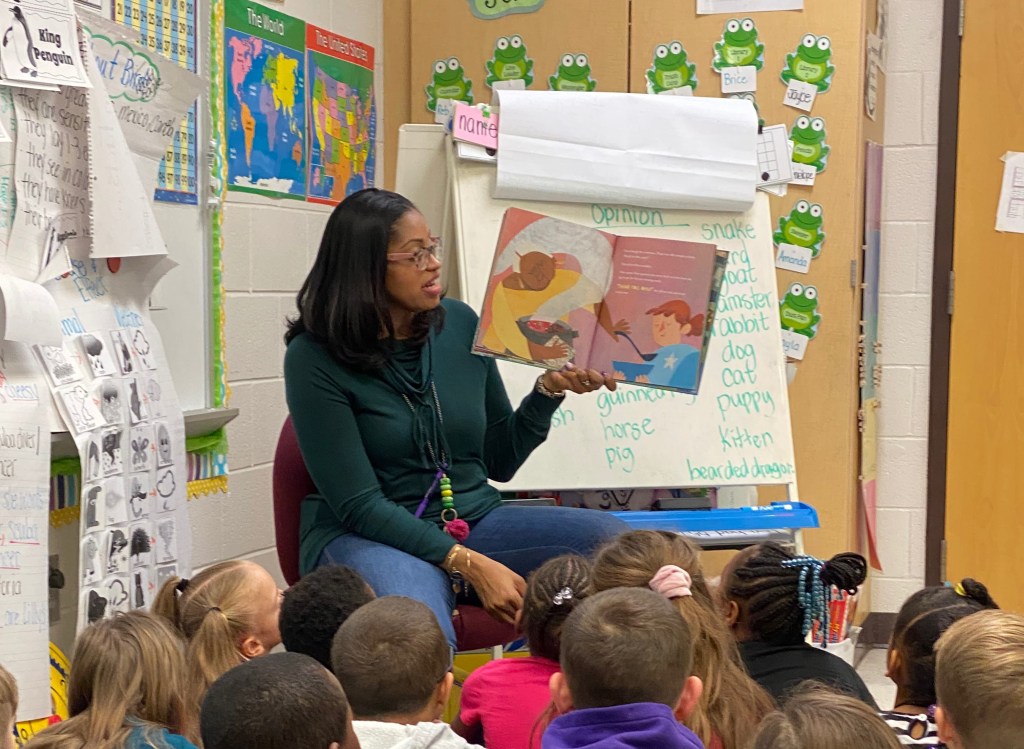
However, use of mentor texts like picture books (at any level), poetry, essays, excerpts of essays, multimedia sources, speeches, quotes, etc… can ignite change. It can ignite change not just because you read them to or with your children (AKA your scholars 🖤). It’s deeper than that. [continue reading]

Mentor texts can ignite change by your open-ended questioning, questioning that helps your scholars to dig deeper into their thinking, dig into their connections or lack of connection they have with the text. It allows for thoughtful discussion with the text. Discussion together in your safe classroom community.

Mentor texts give students opportunities to use their voices, offer their opinions and engage in thoughtful and respectful discourse.

Mentor texts can help students to remove themselves from their “bubbles” and read the world 🌎. They help to expose them to lives, cultures that may be different from their own and yet the same—and respect it, honor it.
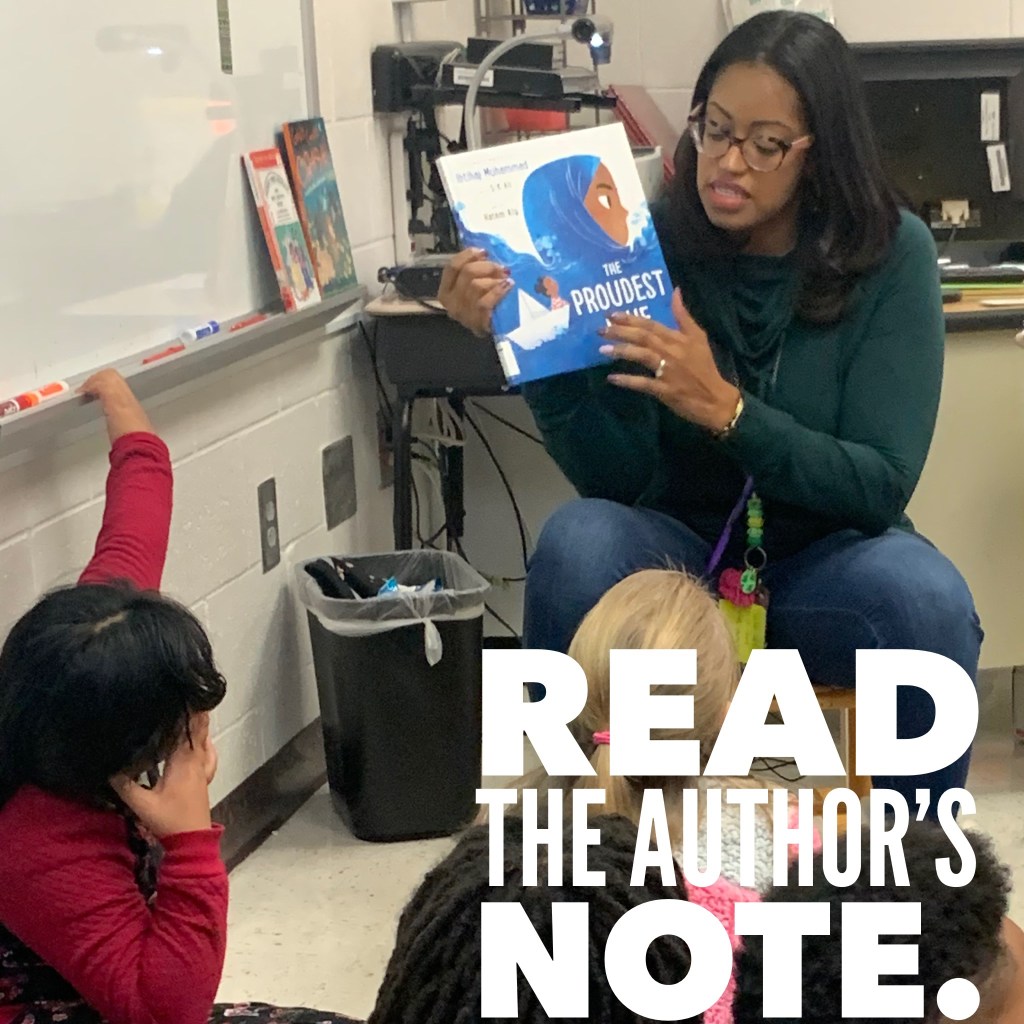
It can teach students the power of reading and how reading and writing can help to change the world. It gives them—your scholars—power.

Power to think.
Power to use their voice.
Power to ignite change.

And you can intertwine the “standards”. 🤪

Students first though. 🥰

-LTB 🖤

Using Mentor Texts to Teach Reading Skills: Ten Ways to Hear Snow

Finding new children’s books that speak to my soul is my passion. Finding new children’s books that speak to my soul, allow me to learn new things and connect to life is my passion on overload. That is what this book, Ten Ways to Hear Snow written by Cathy Camper and illustrated by Kenard Pak, has done for me. As an Instructional Coach, I look at books from the lens of ways it could be used in a classroom community or enjoyed in a home setting as well.

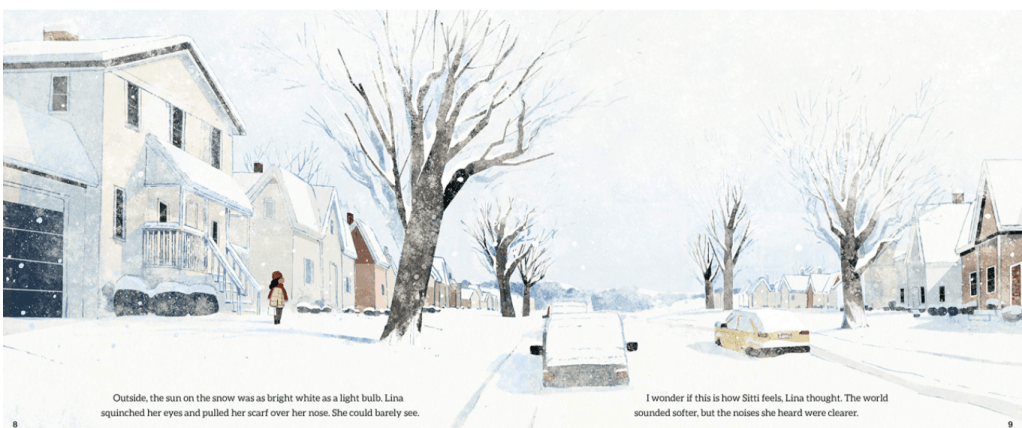
This particular book is about a little girl named Lina that wakes up to silence. It’s the sound of snow — the kind that looks soft and glows bright in the winter sun. But as she walks to her grandmother’s house to help make the family recipe for Warak Enab, she continues to listen.
As Lina walks past snowmen and across icy sidewalks, she discovers ten ways to pay attention to what might have otherwise gone unnoticed. With stunning illustrations by Kenard Pak and thoughtful representation of a modern Arab-American family from Cathy Camper, Ten Ways to Hear Snow is a layered exploration of mindfulness, empathy, and what we realize when the world gets quiet. (Penguin Random House)

Learning Targets: Notice & discuss sensory words or phrases in a poem or story & Think about how sensory language helps me visualize.

Before Reading:

Using this book is perfect for creating mental images with the sensory language that is infused in the book, Ten Ways to Hear Snow. Before reading it will be important to increase student’s background knowledge of Lebanon and its location in the world. Show students the front of the book to help them to predict what might happen in the story to notice the cover and illustration. This will help students to get an idea of what the book is about.

Set a Purpose for Reading:

Your purpose for reading–Some authors use sensory language to help us better experience a story and/or to teach a lesson.

Sensory language is when authors use words that help us picture things and paint a picture in our minds. Chat about the five senses and as you read the story, have the students see where they notice sensory language.

During Reading:

As you read the story to the students ask the following questions to get their minds thinking of the sounds in the story.

Page 8

What was the first way to hear snow? 

scraaape, scrip

What was that sound? 

Mrs. Watson’s shovel digging out the sidewalk.

Page 9

What about the second way to hear snow? 

snyak, snyek, snyuk

What was that sound? 

The treads of Lina’s boots crunching the snow into tiny waffles.

Page 10

What was the third way to hear snow? 

ploompf

What was that sound? 

The Blue Jay on the Branch

Page 27

How does Sitti know that there was a blizzard? 

Page 30

What was the last way to hear snow? 

Quiet

After Reading:

Talk to students about why Sitti had to hear snow and how hearing could be a heightened sense. Have a discussion with students on how Sitti could tell that it was a blizzard.

Talk to students about the relationship between Lina and Sitti. What ways did you know as the reader that they had a close relationship and were friends.

Extend the Learning:

In the learning extension, have students draw and name two out of the ten ways that Lina heard snow in the story. Then at the bottom, students can name their favorite way to hear snow. They can also write about what snow sounds like to them and draw a picture.

Students will absolutely love this story. It is a wonderful book to engage with during the winter holidays. A fun way to culminate this activity would be to make snow with you students in the class! How fun is that! You will also be able to get a resource for 1/2 off on Teacher Pay Teachers. It is an extended version of this freebie above! Here you go! Ten Ways to Hear Snow Interactive Read Aloud is 50% off search in TPT with code readingcrewdeals2021!

Click on the link below to see more blog posts with Winter Mentor Texts, Lessons & Freebies!

You are invited to the Inlinkz link party!

Click here to enter
https://fresh.inlinkz.com/js/widget/load.js?id=a3325ea8d75a7b860d96

You are invited to the Inlinkz link party!

Click here to enter
https://fresh.inlinkz.com/js/widget/load.js?id=a3325ea8d75a7b860d96

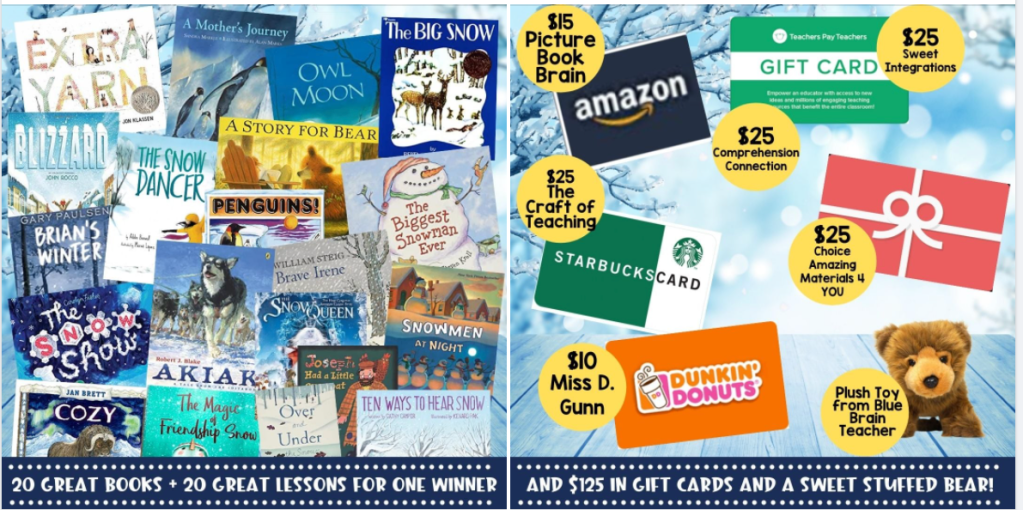
Enter to win the giveaways!

a Rafflecopter giveaway

Teachers are the Secret Sauce!

What this is NOT is a toxic positivity post. It is not posted to invoke any positive or negative feelings one way or another. (well…hopefully some encouragement)

This is a research-based post.

Let me say this first and foremost, it’s always safety first. Teachers, you deserve to feel safe and valued. If you don’t feel safe, how can you be that secret sauce for your students? It’s challenging. It’s difficult. It’s not easy. I see you.

In a SAFE environment, whether it’s learning digitally, hybrid (with safety precautions) or F2F with masks AND safety precautions in the middle of a pandemic—Teachers you are the secret sauce.

This post is to tell you that whether you are teaching digital, hybrid or safely f2f, that YOU, with your high expertise, your passion, your inclusiveness, and your care, are the secret sauce to whatever way you are teaching right now during the pandemic. It’s YOU. It doesn’t really matter what digital platform you are using. It doesn’t really matter what “program” you are using. Truly. It’s the teacher that knows what your students need in order to grow (socio-emotional needs, academic needs, etc). It’s the teacher that builds important relationships with students that makes them WANT to engage, jump on that Zoom, do their work. It’s the teacher that makes the sound instructional decisions to make an impact on students. It’s the teacher that knows when to challenge and when to break it down even more to accelerate learning. It’s the teacher that does this. It is YOU. No pressure. But it has always been you. Even before this awful and mismanaged pandemic.

Some Research:
John Hattie synthesized 1000 research reviews of 50,000 studies and found that the greatest influence on student progression in learning is having highly expert, inspired and passionate teachers and school leaders working together to maximize the effect of their teaching on all students in their care (Hattie 2015, p 2; Hattie 2017).

There is more value in QUALITY over QUANTITY. But that is a whole nother post. 😂

Do what you can, with the time you have while preserving yourself in the process.

TED Talk done 🎤