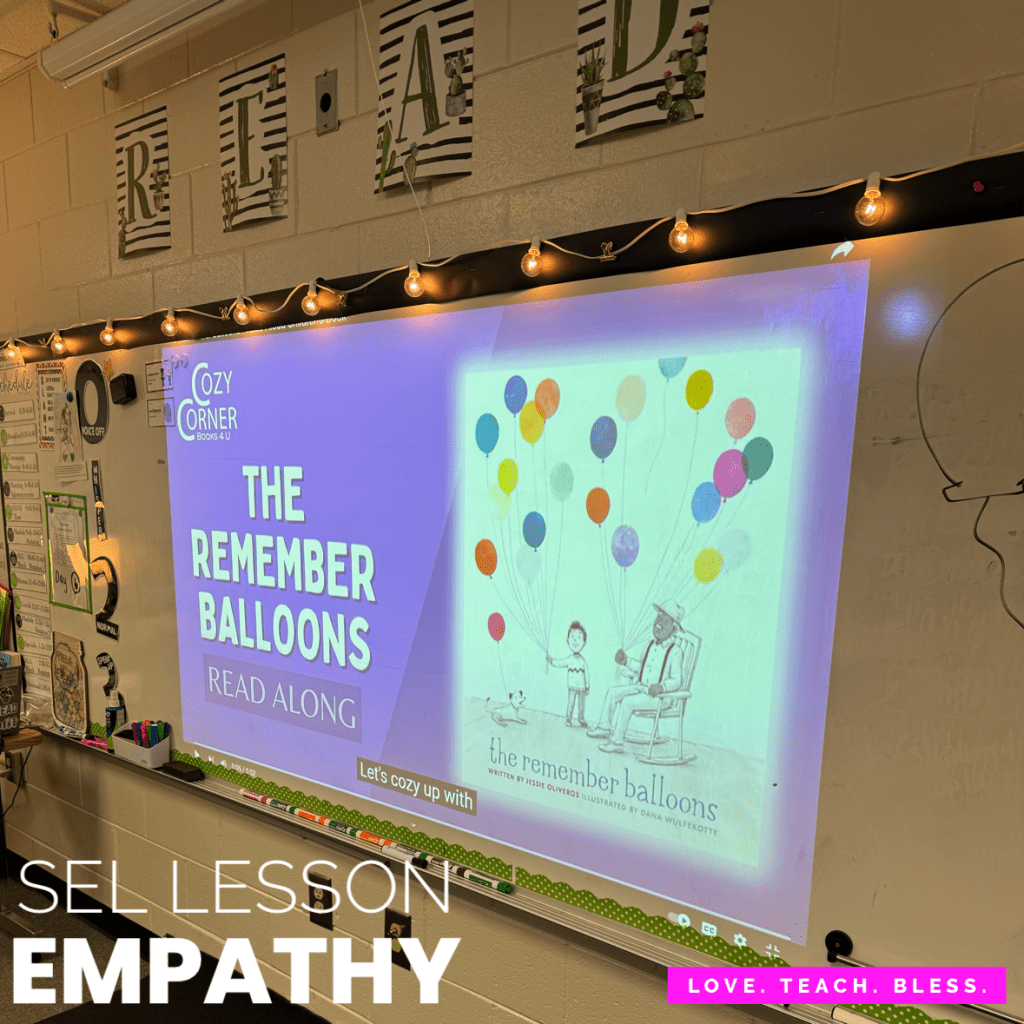
The Remember Balloons: An SEL Lesson

Every Friday I give an SEL Lesson. Our focus for the month of December is Empathy. We began in our community circle discussing what it means to have empathy for others. We also shared ways we have shown empathy. To tie it altogether we read the book, The Remember Balloons, written by @jessieoliveros illustrated by @danawulf . This book teaches a lesson of empathy by illustrating the experience of memory loss, specifically through the metaphor of balloons floating away. It allows us to understand the confusion and sadness someone with a fading memory might feel. It also highlights the importance of cherishing and sharing memories with loved ones especially those who are experiencing this loss.
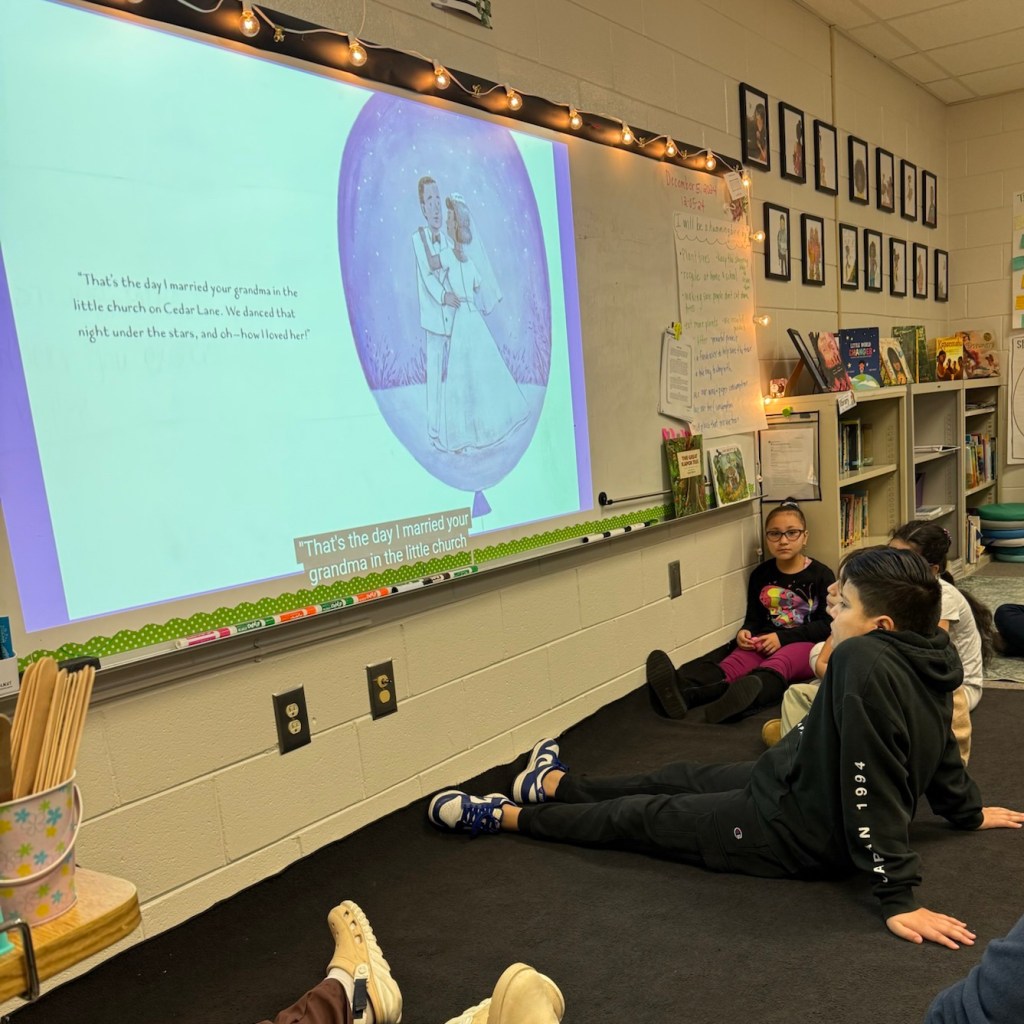
We took time to sketch and share one of our own balloon memories and shared. This lesson was powerful and truly allowed us to share in community with others.

Teachable Points:
🎈 The Metaphor of Balloons: By using the metaphor of memories as balloons that can drift away, the book provides a tangible way for children to grasp the concept of memory loss, making it easier to understand than abstract explanations.

🎈Putting yourself in someone’s shoes: The story is told from the viewpoint of a young boy, James, who witnesses his grandfather’s memories fading, allowing readers to see the situation through the eyes of someone trying to comprehend a loved one’s changing state.

🎈Importance of sharing memories: As James’s grandfather loses his memories, the story emphasizes the value of holding onto those memories and sharing them with others, highlighting the role of family in supporting someone with memory loss.

🎈Text-to-Self connection: The book doesn’t shy away from the sadness and frustration that can accompany memory loss, allowing readers to connect with the characters’ emotions and develop empathy.
#books #bookstagram #booksbooksbooks #ilovebooks #sel #socialemotionallearning #empathy #kindness

Fun with Flexible Seating!

Learning in Action

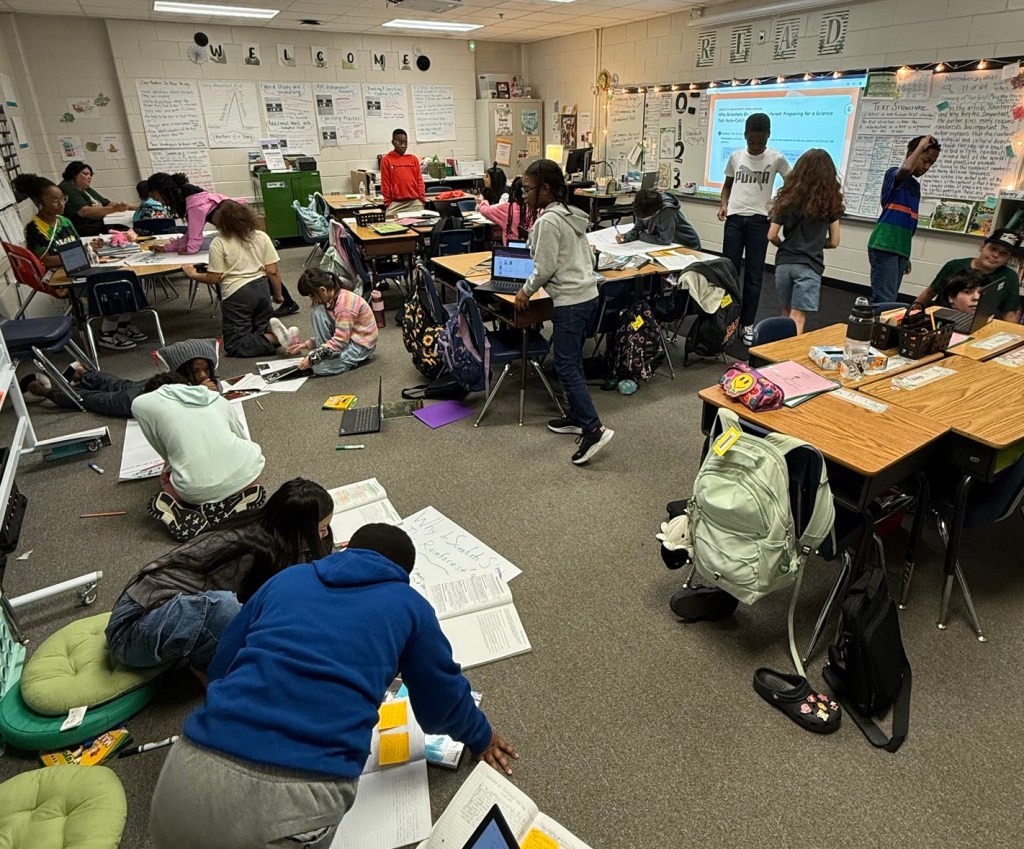
This is literally what learning looks like in my classroom. I probably should invest in more flexible seating options for my students, but they love the seat cushions. AND they can choose where they want to sit. Some students like to sit in desks, some love sitting on the floor or at our back table.

Here are some benefits of all over learning or flexible learning:

🪑Higher engagement-
Students are more likely to become a part of the learning when they can choose where they sit a place that is comfortable for them.

🪑Even more focus-
The ability to move around and change positions can help students stay alert and focused, especially those who need to move more than others.

🪑More collaboration and teamwork
Flexible seating arrangements help with easy movement and promotes group work and better collaboration among students. Although not all my students love to collaborate and that’s okay. 👍🏽

🪑Kids learn differently and that’s a good thing
Different seating options help accommodate the different ways students learn in my classroom.

🪑Increases movement-
Have you sat at a desk all day? It doesn’t feel the greatest. By having students move, it can improve posture and overall physical health.

🪑Sense of ownership
When students have the power to choose their seating, they feel more invested in their learning environment.

Before beginning with Flexible Learning:

  • Make sure you take time to think through what that will look like in your classroom. I actually drew it out on paper along with my furniture. You can start small with pillows, tables, and desk options. Then you can gradually add on other flexible seating items.
  • Think about what are some norms surrounding the flexible seating and create those norms with your students. One norm that is important to me is cleaning up when we shift. My students do a good job with that!
  • If something isn’t working, bring the community back together and discuss the norms and either add to them or change them.

Flexible seating is something I’ve been implementing in my years of teaching. The option for students allows us to break out of the walls that often confine us in teaching and learning. Learning can be messy and look that way too!

Expand Your World Through Inclusive Books

In my 5th grade classes, we are studying informational text. We are reading about Meg Lowman’s study of the rainforest @canopymeg. The book is entitled, The Most Beautiful Roof in the World, by Kathryn Lasky. This book is about the work of scientist Meg Lowman and her sons as they study the brilliant and vivid world of the rainforest canopy and its myriad of exotic creatures, including spider monkeys, bats, and vipers. In the book, the author also discusses the People of the Rainforest.

Y’all know me, I also love bringing in picture books to connect to the mentor text. It is so important! I purchased, Zonia’s Rainforest, which is written by Juana Martinez-Neall @juanamartinezn . This beautiful and insightful book is about Zonia, a young Asháninka girl whose home is with those she loves in the Peruvian Amazon. She spends carefree time with her animal friends of the rain forest until one day she visits a place where the forest has been destroyed.

One of my students said, “that’s where my family is from” my heart bursted. She began to explain to the class about how the land used to be more vast, but it was smaller now because it’s been taken away—the kids listened intently while she explained. She discussed the animals from the book and shared what a river dolphin was! Which was her favorite animal.

We read the Author’s Note which gave us more information about the Asháninka People and the endangered Rainforests.

This is why I bring in diverse and inclusive books into my lessons! This right here is it! This is the bubble expansion experience! 🫧

I write about this even more in my book, Read Outside My Bubble: Expand Your Bookshelf, Expand Your World. Preorder it anywhere books are sold!

https://bit.ly/ROYB

#read #reader #reading #diversebooks #inclusivebooks #books #bookstagram #booksonbooks #mentortext #josseybasspublishers #wileypublishing