
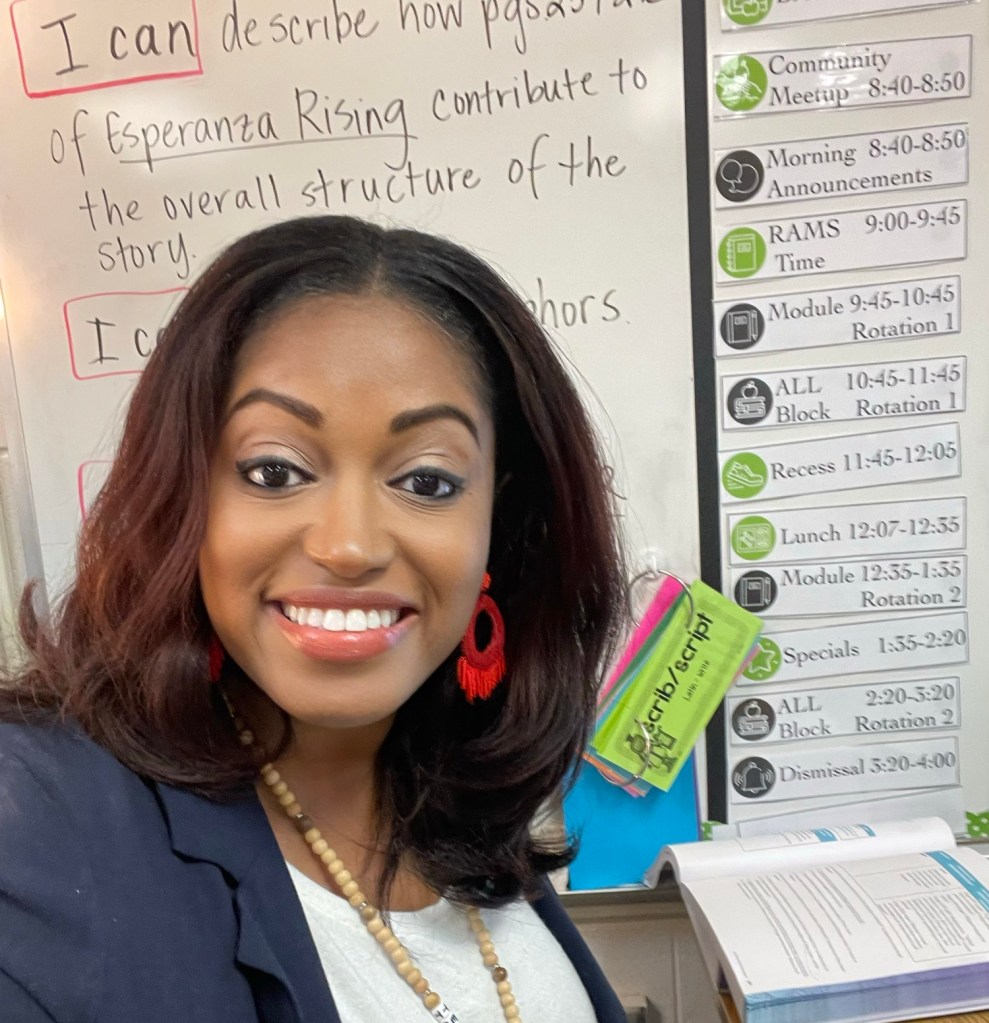
After seven years of coaching teachers, stepping back into the classroom was both exhilarating and humbling. Though I had never completely left the world of education, the experience of teaching students directly had changed. Over the past six months, I’ve had to reawaken the teacher in me. While my passion for coaching remains strong, and I still coach on the side, I’ve tapped back into the deep fulfillment that comes from building relationships inside the walls of a school. Michael and I talk about school relationships in our book, Every Connection Matters. However, this journey back in the trenches has continued to remind me that people truly need people, and I’ve tapped into connecting, growing, and reflecting on my work as I’ve done before.
The Power of Relationships:
In the world of education, connections are everything. As I’ve navigated my return to teaching, I’m continually reminded that the relationships I build with students, colleagues, and administrators are at the heart of everything.
It’s easy to get caught up in the day-to-day tasks of lesson planning, grading, and meetings, but the real work happens when we nurture genuine relationships. Connecting with students—understanding their needs, their struggles, and their triumphs—has been the most rewarding part of my job. Equally, forming strong bonds with my team and administrators has reminded me of the importance of collaboration and support in fostering a positive school culture.
Ultimately, this is what has filled my cup over the last six months: building a community of learners, both for my students and for myself. Every connection matters and it matters everyday.

Learning from Both Sides: Coaching and Teaching:
One of the most enlightening aspects of returning to the classroom has been the opportunity to put my coaching conversations into practice for myself and others. Previously as a coach, I often gave advice about classroom management, team dynamics, and instructional strategies. Now, as a teacher, I’ve found myself in the thick of it—implementing the same ideas I used to suggest.
But here’s the catch: I’ve also learned that sometimes those strategies are harder to execute in a system that is flawed. There are moments when even the best-intentioned suggestions can hit roadblocks, whether due to limited resources, policy constraints, or the unique needs of students. This has deepened my empathy for teachers like myself and reminded me that change takes time—and often requires persistence.
At the same time, I’ve gained a renewed sense of confidence in the strategies I’ve been coaching others on for years, seeing firsthand how they can lead to growth when applied thoughtfully.
Focusing on What Matters: The Meat and Potatoes:
When I first returned to teaching, I was overwhelmed by the pressure to “get it all done.” The feeling of needing to check every box—grading, lesson planning, attending meetings—was suffocating. I found myself stressed and stretched thin, trying to balance it all.
But over time, I’ve shifted my focus. I was able to coach myself, tap into my previous coaches and reflect. I’ve had to remind myself (although I had been preaching it for years) to prioritize what truly matters: the “meat and potatoes” of teaching. For me, the meat is the work of teaching itself—the relationships with students, fostering their academic, social, and emotional growth, and ensuring that I am a supportive, attentive educator. The potatoes? Those are the systems and structures that support teaching—continual check-ins with students and my team to ensure we’re on track, refining my practice, and monitoring and adjusting as needed.
Everything else—the busywork, the extra paperwork, the emails—can be managed, but it’s not the heart of the work. By letting go of the pressure to do everything, I’ve found a healthier balance and a deeper focus on what will have the most meaningful impact.
The Importance of Self-Care:
As I’ve returned to the classroom, I’ve also learned the importance of self-care. Let me be transparent, in the past, I was guilty of overcommitting and letting work overwhelm me. But I’ve come to realize that in order to be the teacher my students need, I have to take care of myself first.
This means setting boundaries, making time for rest, and doing things outside of work that fuel my energy. When I’m mentally and physically well, I’m better able to support my students and my team. Teaching is demanding, and without the right balance, it’s easy to burn out. Embracing self-care has been a game-changer, allowing me to show up as my best self each day.

Conclusion: Rooted in Joy, Focused on Growth:
These past six months have been a period of learning and growth—both for me as an educator and for my students. I’ve rediscovered the joy that teaching can bring and doubled down on the importance of keeping the main thing, the main thing: focusing on relationships, student growth, and my own well-being.
It’s not always easy, and there are days when the systems we work within feel frustrating and are limiting. But through it all, I’ve learned to stay rooted in the joy of the work, to be reflective, and to prioritize what truly matters. As I continue this journey, I’m committed to growing alongside my students, my colleagues, and myself—one lesson at a time.
Reflect:
What lessons have you learned in your own teaching journey? How do you prioritize what matters most in your work? Let’s continue the conversation in the comments below!

 Love. Teach. Bless.